










While traveling for medical care, our family was reminded how often disabled children are still made to prove they belong.
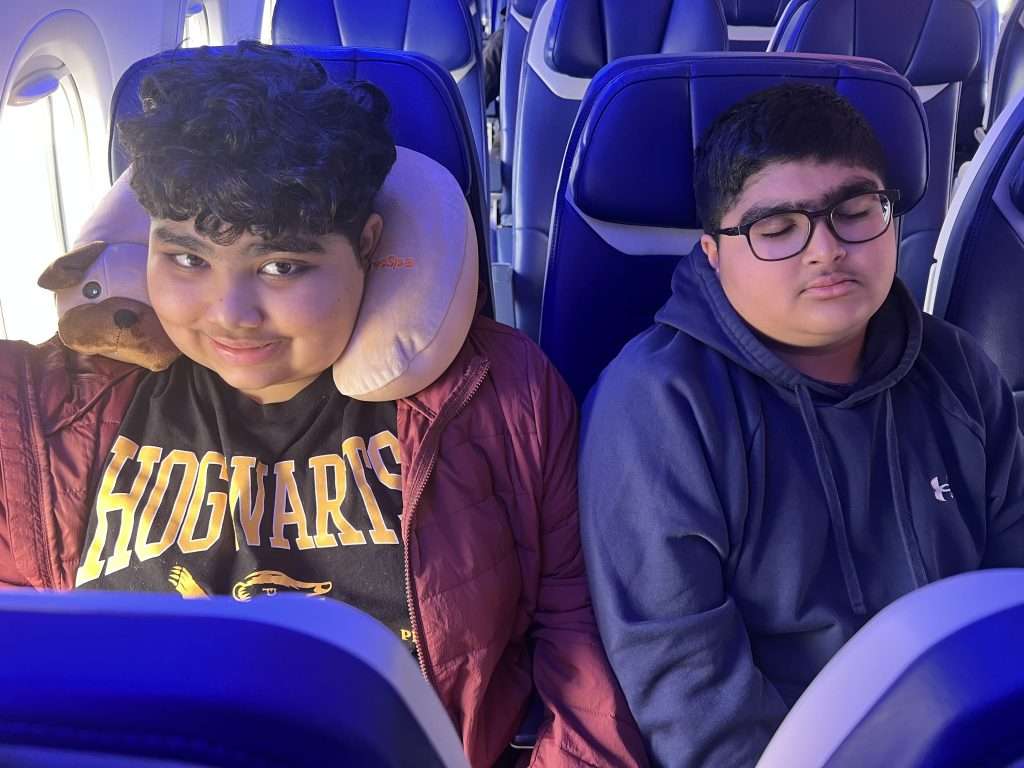
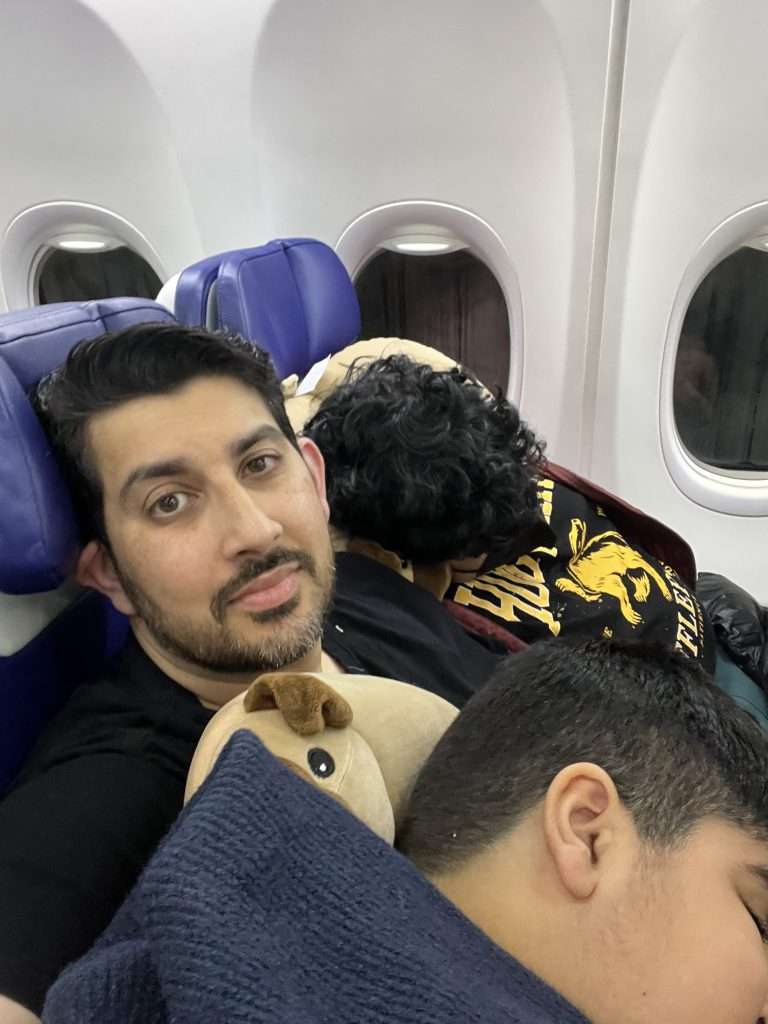
We were in Midway Airport in Chicago, exhausted after a marathon medical trip to Philadelphia. Our son had spent several days at CHOP (Children’s Hospital of Philadelphia) being evaluated by the Immune Dysregulation team for a second opinion after the local team declared him palliative about four months earlier. In just a few days, he endured an hour-long lumbar puncture that left him with searing pain down his spine and legs, had roughly 18 vials of blood drawn, underwent his first PET/CT scan, and faced long, exhausting clinic days. We were there seeking answers and were now heading back home to California on a red-eye flight booked through Medi-Cal.
I mention Medi-Cal and CCS because, while we are grateful for the support, families often have limited input on travel logistics. By the time our flights were arranged, options were limited. A red-eye with a four-hour layover was what we were given. When you travel with a medically fragile child, that kind of itinerary is draining. It adds another layer of weight to an already stressful journey.
When you travel with a medically fragile child, everything is calculated.
Medications packed. Pain managed. We were simply trying to get through the final stretch of a long journey and find a place where our son could rest during a long layover.
My son is 13 and has been battling a high-risk leukemia called PH+ALL since the age of four. Like many children in the cancer community, he now lives with lasting disabilities from both the cancer and the treatment. His boarding pass was marked for wheelchair assistance for the entire journey. His disability is permanent and documented. We were not asking for anything extraordinary, just a place where he could exist comfortably for a few hours between flights.
What happened next is something our family will not forget.
Inside the lounge, we were told accessible seating would not be provided for him. We were told the only accessible seating was in a 21+ bar area. We struggled to understand how that could apply to a disabled child. What happens, then, to families like ours?
He was asked to transfer out of his wheelchair and told he had no right to elevate his legs despite severe pain after exhausting travel and testing. We were told the wheels of his wheelchair were a “tripping hazard,” and that was why he had to move out of it. Even as we calmly explained that forcing him out and denying accommodation did not align with ADA protections.
We continued advocating for him and explaining his disability and needs, but the situation escalated in a way we never imagined. We were threatened with removal.
The manager told me, “Now I’ll show you,” and proceeded to call the police.
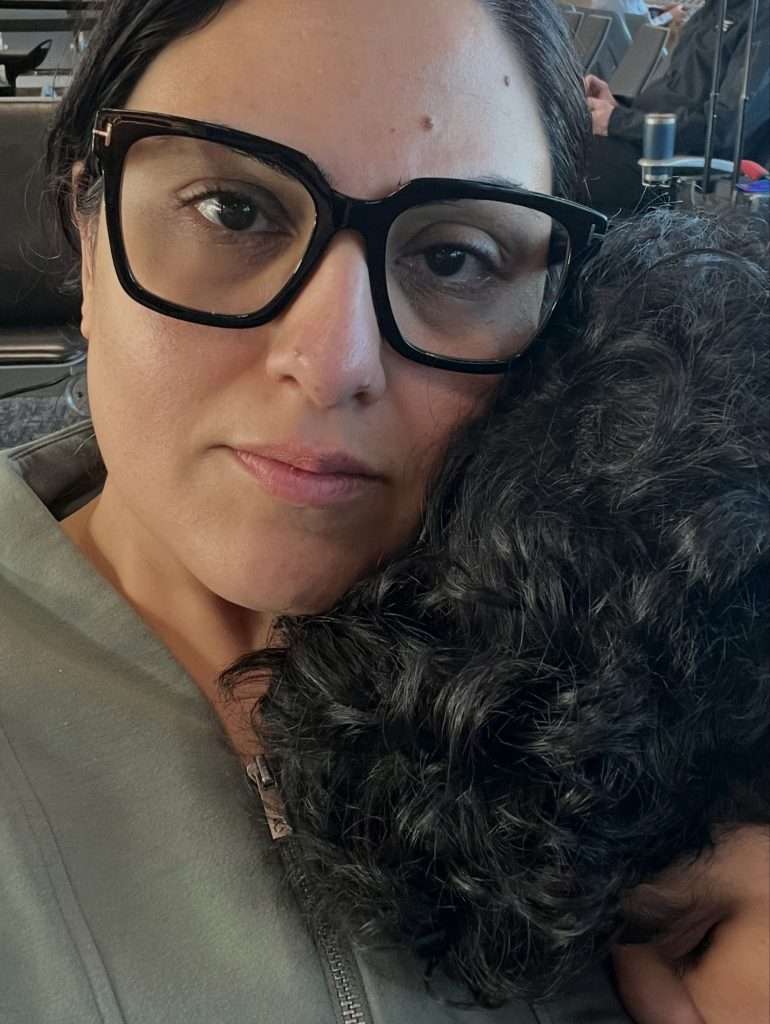
Our younger son froze in fear. He did not know what would happen when officers arrived. None of us did. As a Southeast Asian family, that uncertainty carries a different weight in the current climate. Watching a uniformed officer approach while his brother sat there exhausted and vulnerable turned a routine layover into something deeply traumatic.
For me, as a mother, it was equally jarring. I was simply advocating for my disabled child and suddenly found myself being threatened and recorded on a police body camera. The responding officer was professional and helped de-escalate the situation, but the fact that it escalated that far at all was unacceptable.
Traveling with a child who has cancer and long-term disabilities already means navigating systems that often fail to consider them.
Families like ours move through hospitals, schools, and public spaces constantly advocating for basic accommodations. A place meant for travelers to rest between flights should not become another space where a child is made to feel like they do not belong.
His disability was repeatedly questioned, including comments that the wheelchair was not his because it belonged to the airport. Traveling with a power wheelchair is not always possible. They are expensive, difficult to transport, have lithium battery restrictions, and are frequently damaged by airlines. We have to keep him safe because he relies on one daily.
For many families in the disability and pediatric cancer community, this story feels familiar. Children who survive cancer often live with lifelong disabilities and rely on mobility devices and carefully managed routines just to get through a day of travel. Parents plan every detail and advocate constantly in spaces that are not built with their children in mind.
Disability laws exist, so families like ours do not have to repeatedly prove our child’s needs. But laws only matter when people understand and apply them with care and humanity.
What our children need most is not special treatment. It is access, dignity, and the ability to exist in public spaces without being questioned.
As everything settled, I remember exhaling and holding back tears. I turned to my husband and said quietly, “It’s the same message everywhere we go.” Hospitals. Schools. Public spaces. Now the airport. The constant sense that our child’s presence requires explanation or permission.
There is something to be said about belonging to a tribe of parents no one ever wants to join, but we take care of each other.
One moment of kindness from that day stayed with me. While many people stood by silently, one mother stepped forward. She spoke to the officer and said what happened was not right. Before leaving, she told us she had a child with a disability, too, invisible but real.
She did not need to say more. The understanding was immediate.
In a room where we felt alone, that acknowledgment meant everything. Parenting a disabled or medically complex child can feel isolating, especially in spaces where others do not understand what our children carry. We may not always be able to change a situation in the moment. But we can stand beside each other in it. Sometimes that solidarity is everything.
To the families who reached out afterward, thank you. Your messages reminded me how many of us navigate moments like this quietly every day. Our children deserve better. They deserve to travel, rest, and move through the world without being made to feel like an inconvenience.
If my son has the privilege of growing up, I want him to know he belongs everywhere.
I want him to know advocating for himself is not something to be ashamed of or optional. And I want him to know some communities will stand beside him and make space for him.
Accessibility is not a courtesy or a favor – it is a civil right and the law. Disabled families should never have to fight for basic inclusion.